
Teardowns

A source-level teardown of one well-known project.

Posts
12
Repos
13
Latest
Jul 12, 2026
TeardownDeveloper tools

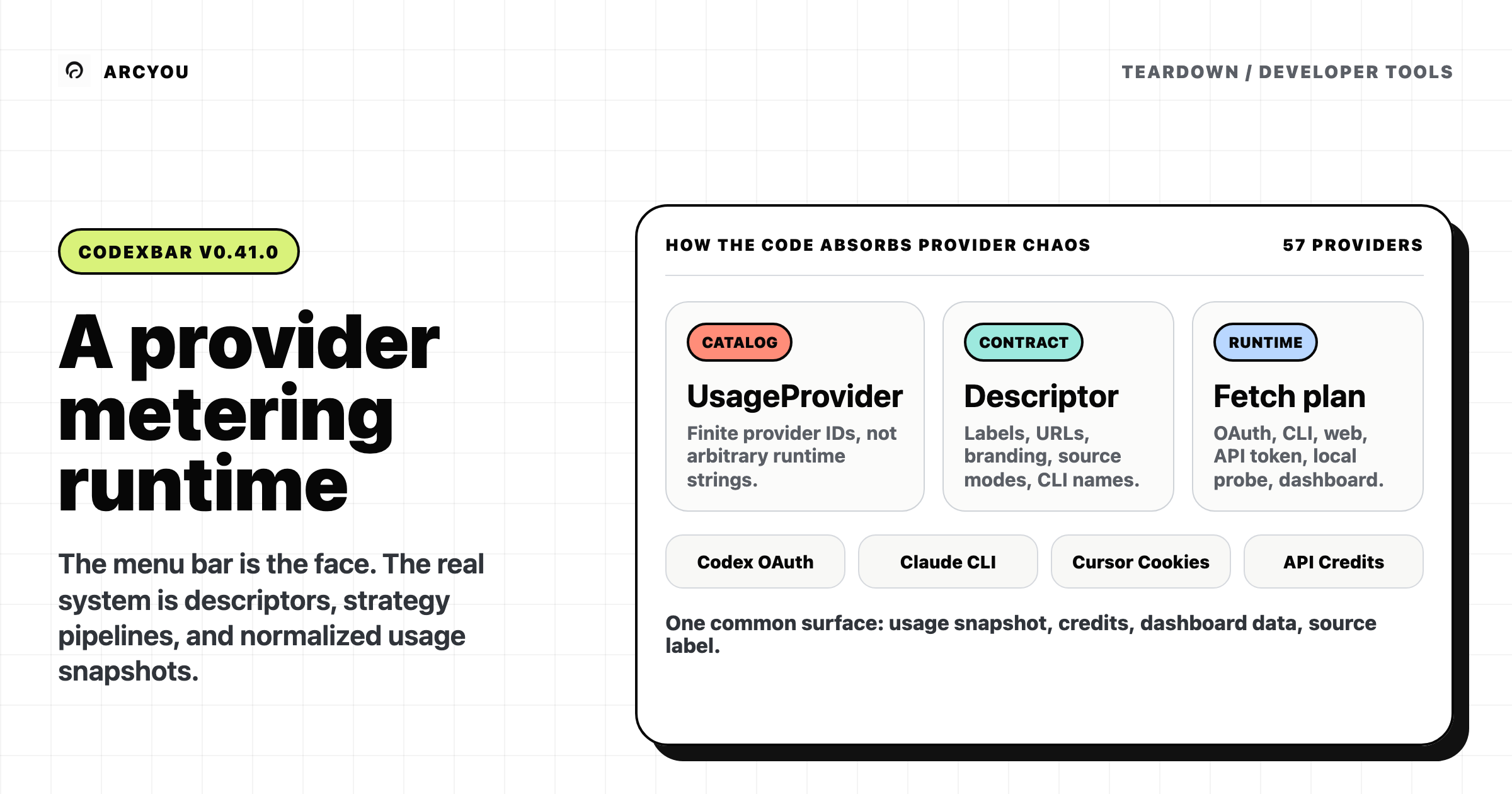
CodexBar Is Not Really a Menu Bar App. It Is a Provider Metering Runtime.

CodexBar looks like a tiny macOS utility for AI coding limits. Read at v0.41.0, the real architecture is a curated provider catalog: compile-time provider IDs, descriptors, strategy pipelines, and separate app hooks that turn uneven vendor quota signals into one usage surface.

TeardownDeveloper tools

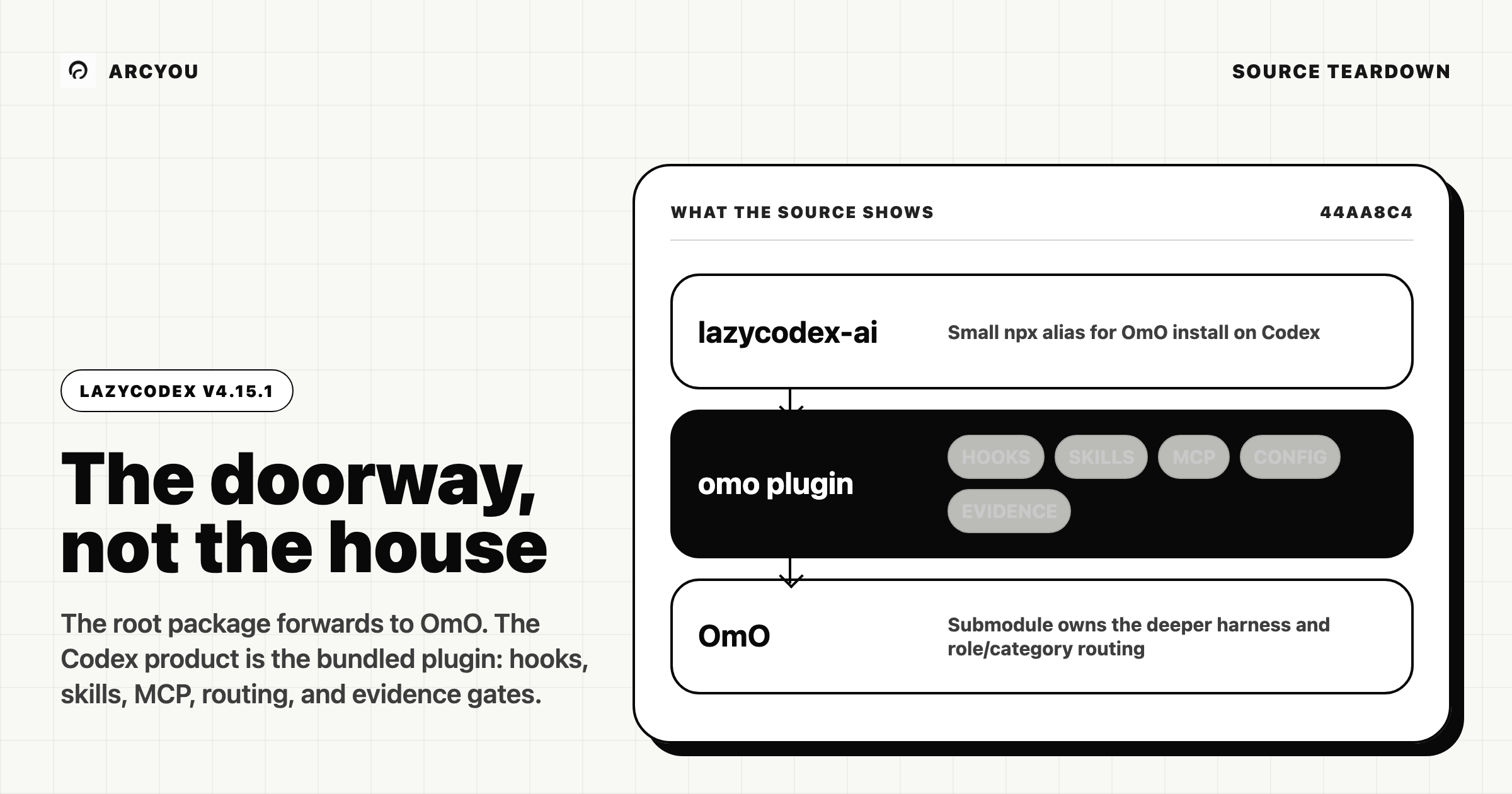
LazyCodex Is the Doorway, Not the Whole Agent House

LazyCodex is marketed as an agent harness for complex codebases. Read at v4.15.1, the source says something narrower and more useful: the root package is a small Codex install alias, the concrete product is the bundled omo plugin, and the deeper harness ownership points back to OmO.

TeardownDeveloper tools

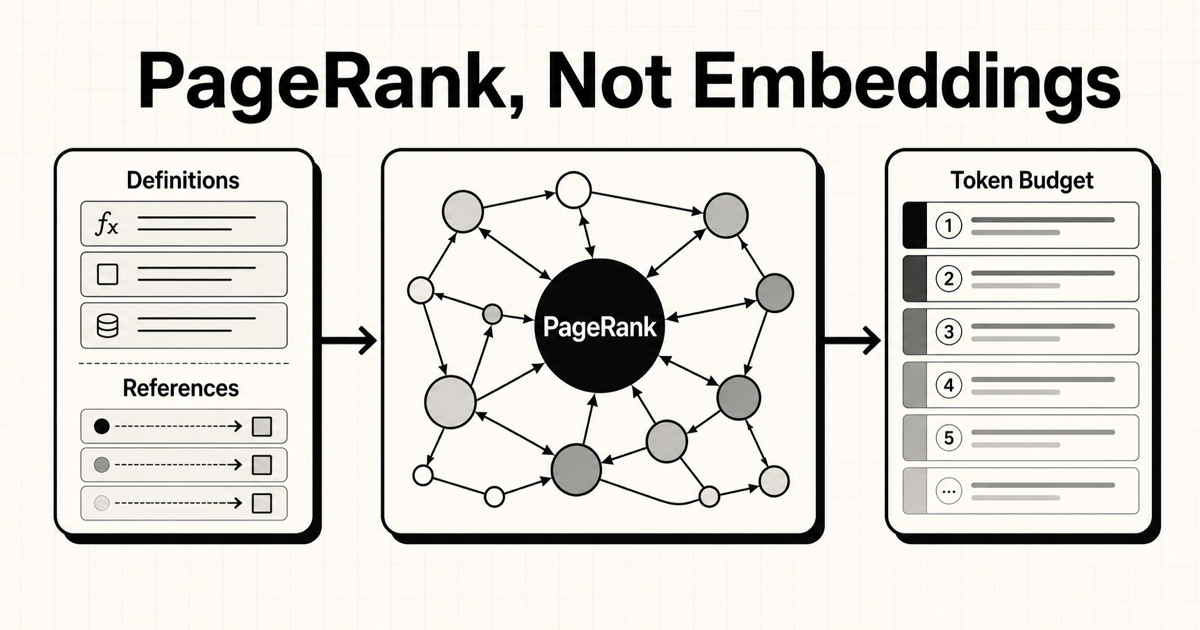
How Aider's Repo Map Actually Reads Your Codebase — PageRank, Not Embeddings

Aider is pitched as AI that reads your whole codebase. Read at v0.86.3.dev, the repo map is a ranking problem, not an AI one: tree-sitter pulls the symbols, a PageRank over the reference graph ranks them, and a binary search packs the top ones into a token budget. No embeddings, no vector store, no network call.

TeardownDeveloper tools

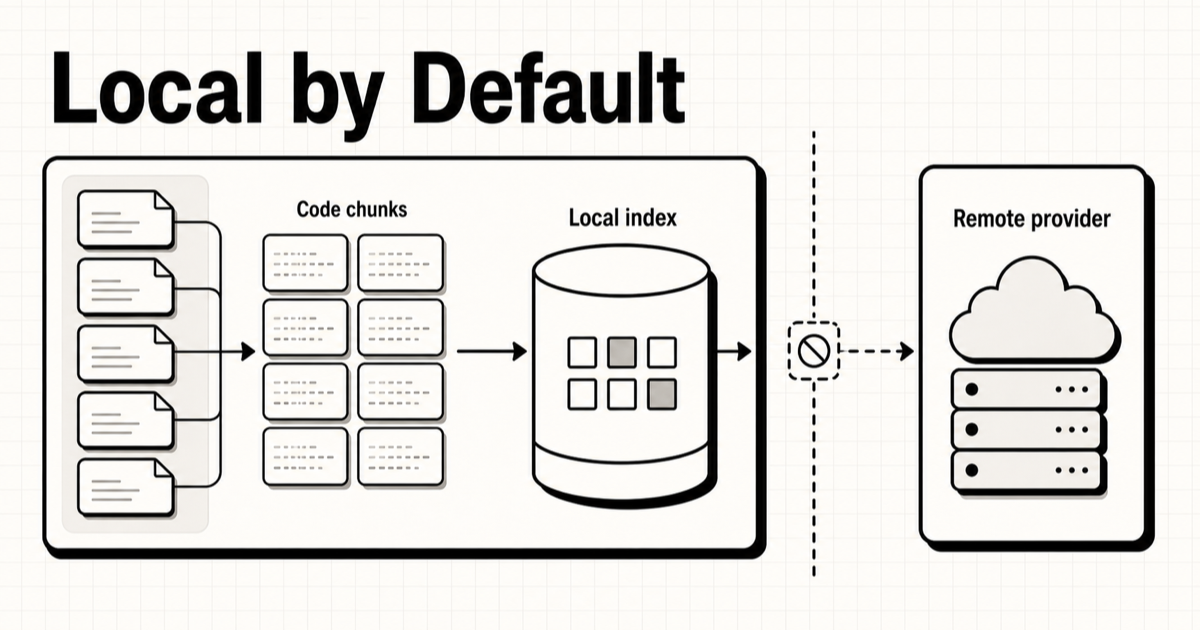
How Continue Indexes Your Codebase — and Whether Your Code Leaves Your Machine

Continue is the embedding-first counterpart to Aider. Read at v2.1.0, the answer to the question everyone actually asks — does my proprietary code get shipped to an embeddings API? — is: not by default. It embeds locally with a bundled all-MiniLM-L6-v2, stores vectors in a local LanceDB, and only sends code out if you configure a remote embeddings provider.

TeardownData infrastructure

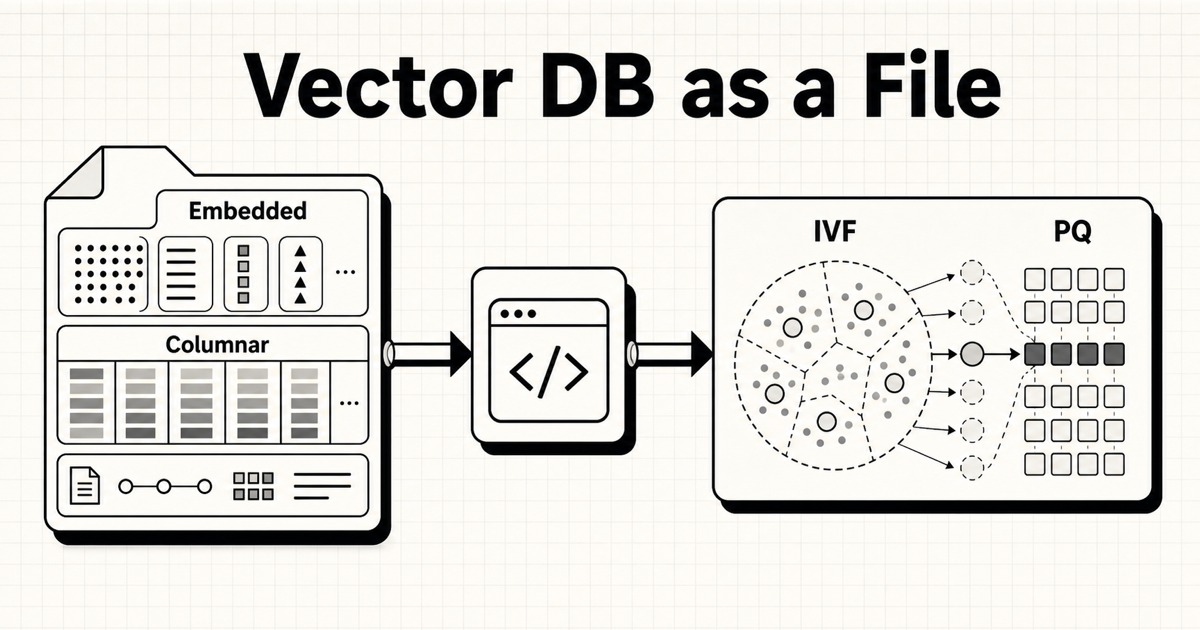
How LanceDB Puts a Vector Database in a File — IVF-PQ Over the Lance Columnar Format, No Server

LanceDB is a library and a file format, not a server: connect() opens a local path or object-store URI in-process, and only URIs starting with the literal prefix `db` route to the Cloud HTTP client. Storage is the Lance columnar format with append-only manifest versioning, and the index family is IVF-first with PQ compression — not an HNSW graph. Read at lance v8.0.0 / lancedb v0.30.0.

TeardownAI infrastructure

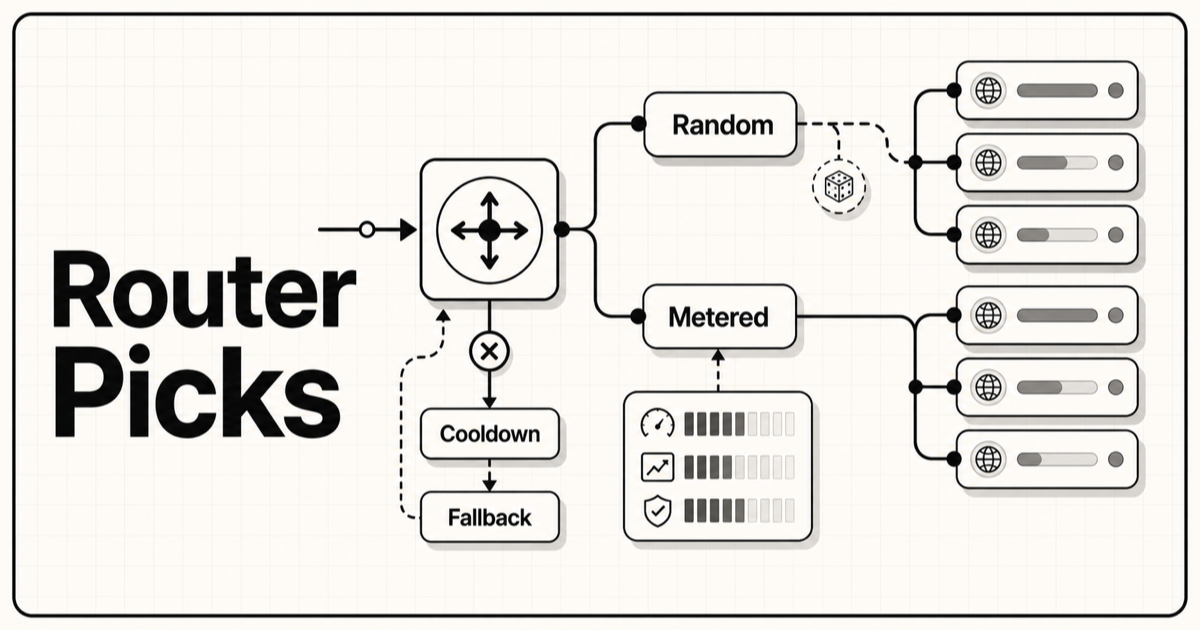
How LiteLLM's Router Picks a Deployment — Weighted Random by Default, Smart Only If You Ask

LiteLLM is sold as a smart load balancer across your model deployments. Read at v1.92.0-dev.1, the default is a weighted coin flip: simple-shuffle picks a random healthy deployment, weighted by rpm/tpm if you set it. The intelligence — least-busy, latency, usage-based routing — is opt-in, and it works only because LiteLLM meters every key. On failure it runs a retry-cooldown-fallback ladder.

TeardownAI infrastructure

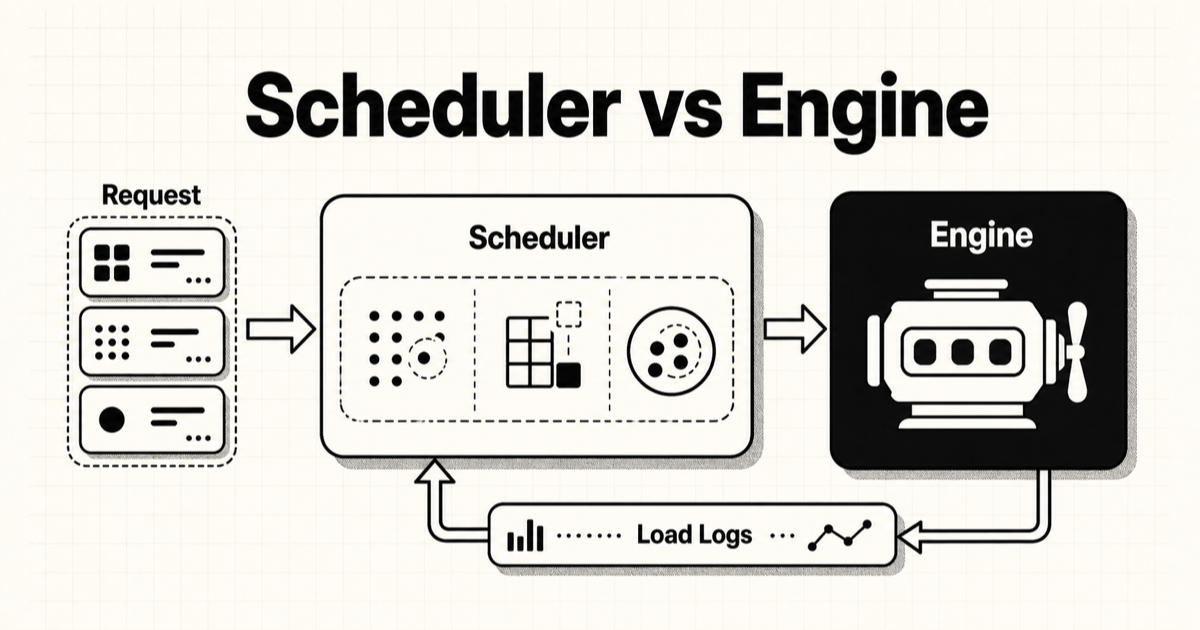
How Ollama Loads a Model — and Why It Doesn't Actually Decide Your GPU Layers

Everyone assumes Ollama estimates your model's memory and computes how many layers to put on the GPU. Read at v0.31.1, that's not what happens: Ollama is a scheduler that spawns an upstream llama.cpp llama-server, lets it auto-detect the GPU split by default, and reads the offloaded layer count back from its logs. Ollama's own memory math is a deliberately rough proxy used only to decide what fits and what to evict.

TeardownData infrastructure

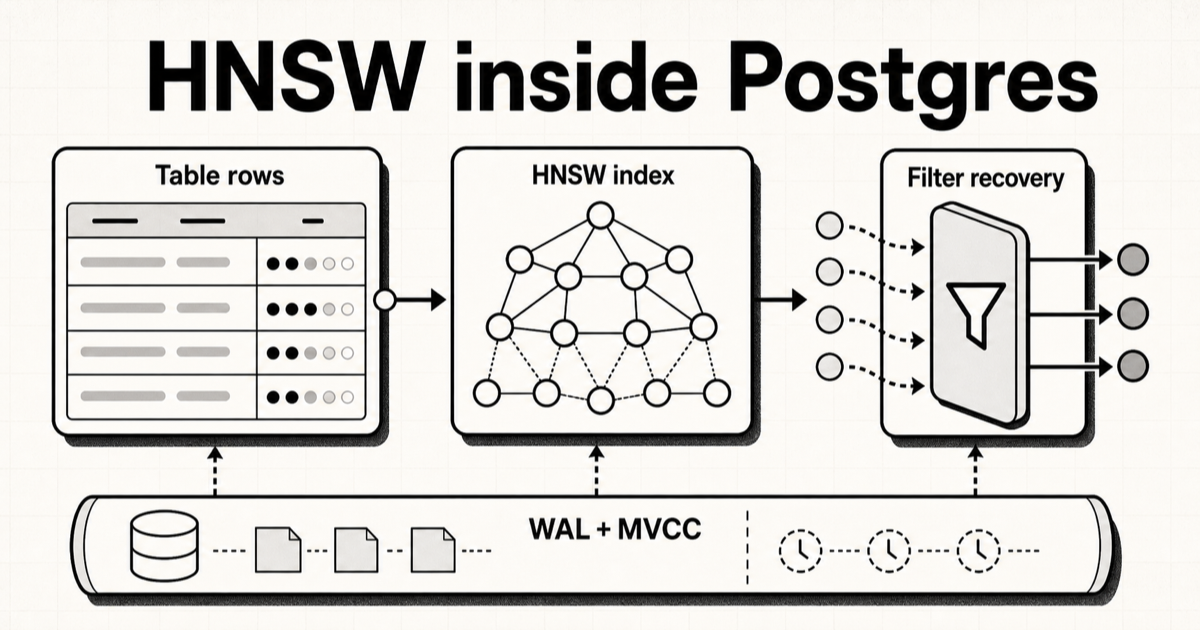
How pgvector Puts HNSW Inside Postgres — Vector Search as an Index Access Method

pgvector is the 'just use Postgres' answer to vector search, and the contrast with a dedicated engine like Qdrant is the home, not the algorithm. Both are HNSW; pgvector implements it as a Postgres index access method. Read at v0.8.4 — the graph lives in WAL-logged Postgres pages, a search is plain SQL, and filtering is Postgres's job, patched by a new iterative scan.

TeardownData infrastructure

How Qdrant Does Filtered Vector Search: HNSW That Survives Your Payload Filters

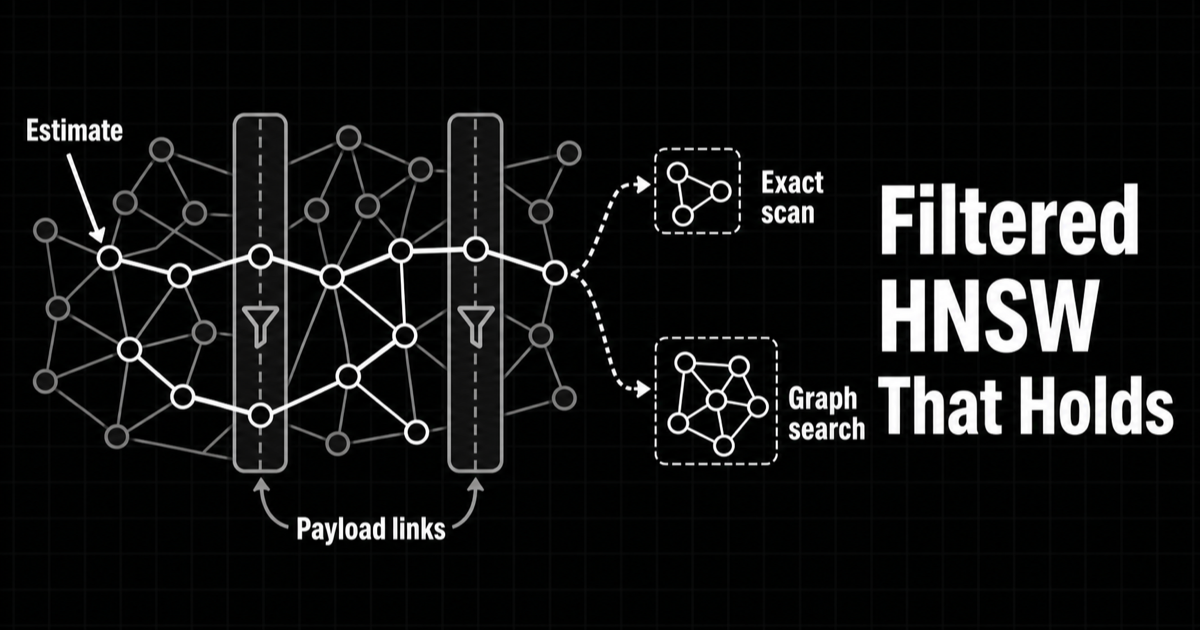
Adding a metadata filter is where naive vector search breaks — post-filtering wrecks recall, pre-filtering can't use the graph. Read at v1.18.2, Qdrant's answer is two moves: it estimates the filter's cardinality to choose between an exact scan and a graph search, and at build time it adds payload-aware links so a filtered subgraph stays connected — a fix it justifies with percolation theory.

TeardownAI infrastructure

How vLLM Serves So Many Requests at Once: PagedAttention and Continuous Batching

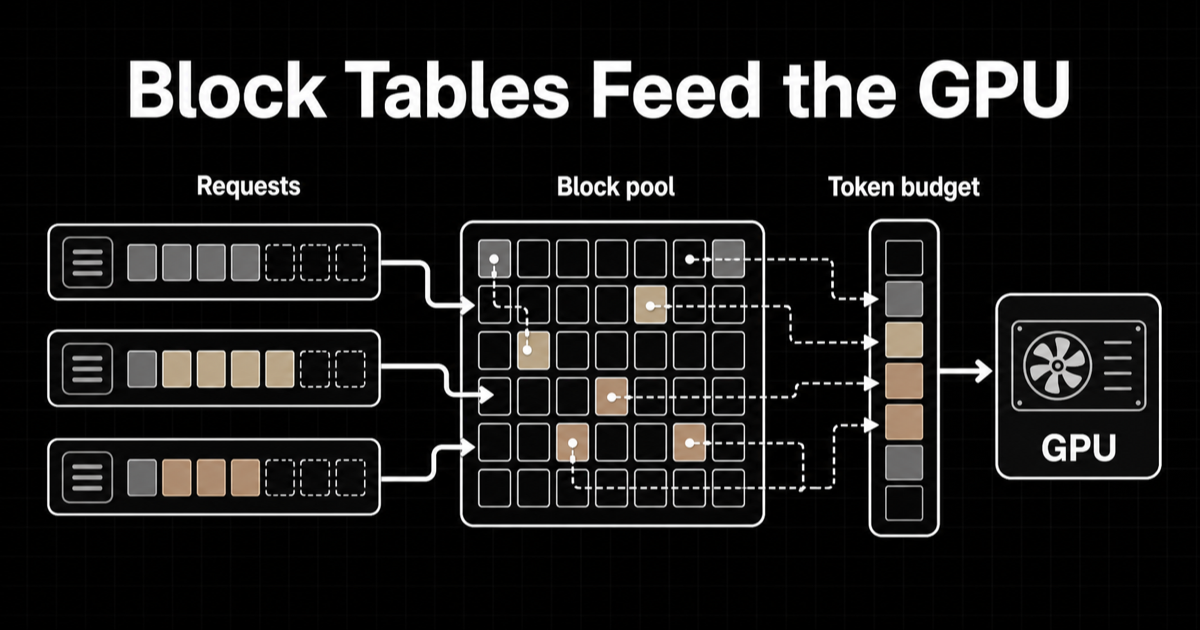
vLLM's throughput comes from two linked ideas, read here at v0.24.0rc2 (the v1 engine). PagedAttention pages each request's KV cache into fixed 16-token blocks from a shared pool, so memory is non-contiguous, tightly packed, and shareable across identical prefixes. Continuous batching rebuilds the batch every forward step from a token budget, mixing prefills and decodes and preempting when blocks run out.