Compare

A comparison that puts several projects on the same design axis.

Posts
4
Repos
13
Latest
Jul 6, 2026
CompareData infrastructure

Vector Search Is Not One Thing: Server, Extension, or Embedded Files

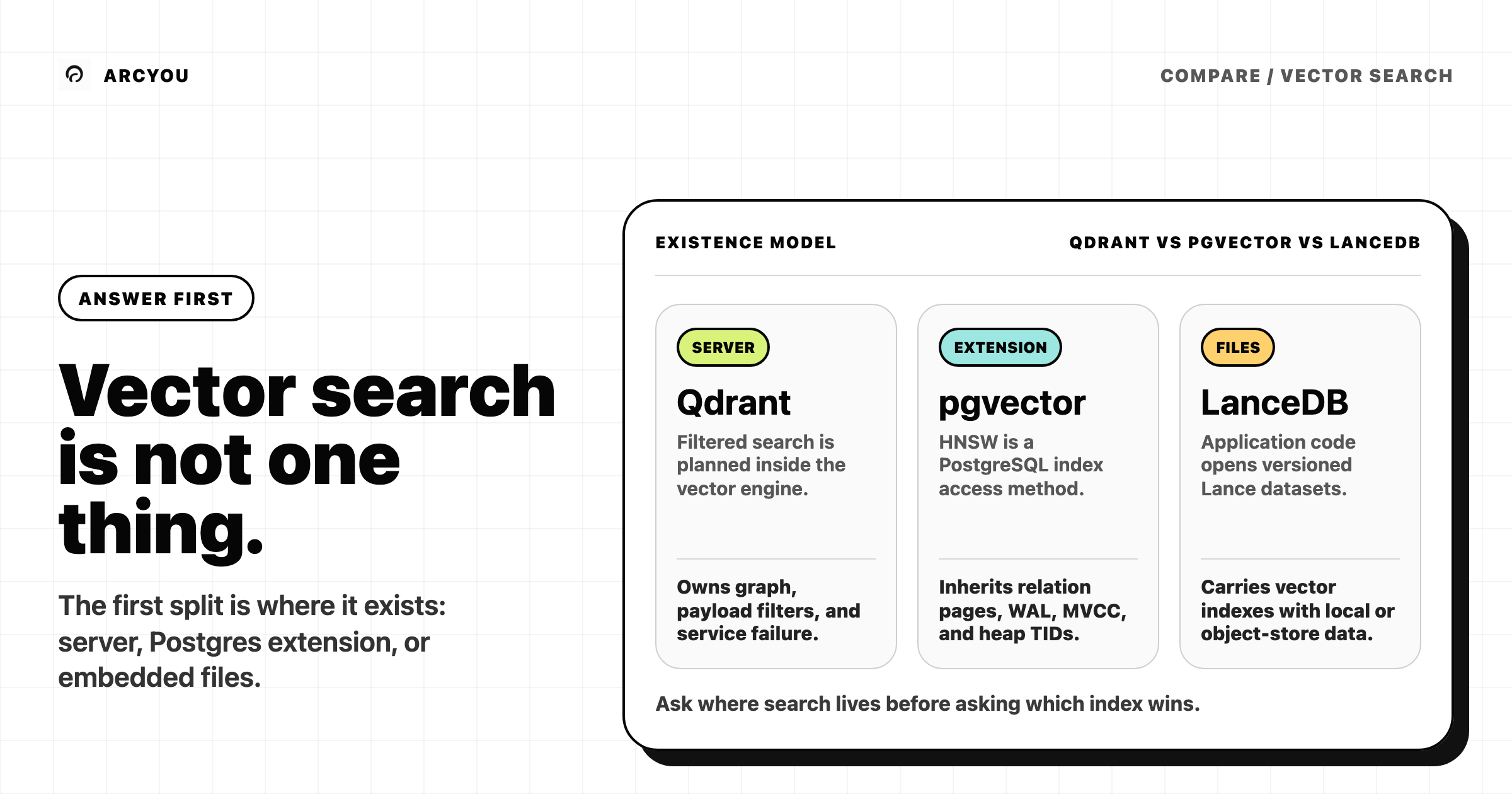
Vector search splits first by where it exists: Qdrant is a dedicated vector engine, pgvector is a PostgreSQL index access method, and LanceDB/Lance is an embedded file-backed stack. That operational home decides filtering, durability, consistency, and failure shape before benchmark tuning starts.
CompareDeveloper tools

How AI Coding Agents Feed Your Codebase to the Model: Three Camps

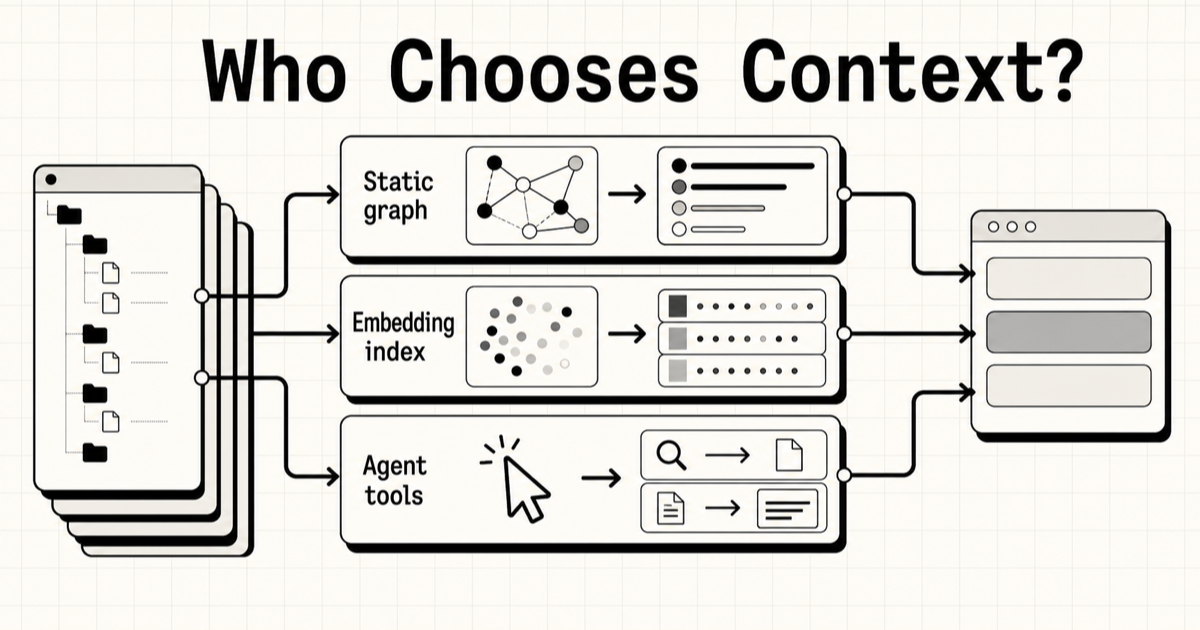
The AI coding agents split by one design choice — how they get your code into the model's context. I read the source of three: Aider ranks a static graph, Continue embeds and retrieves, Cline gives the model tools and lets it read on demand. That single choice decides determinism, token cost, privacy, and how each behaves on a big repo.

CompareAI infrastructure

LLM Gateways: Three Camps — Pool Subscriptions, Route Keys, or Run a Production Gateway

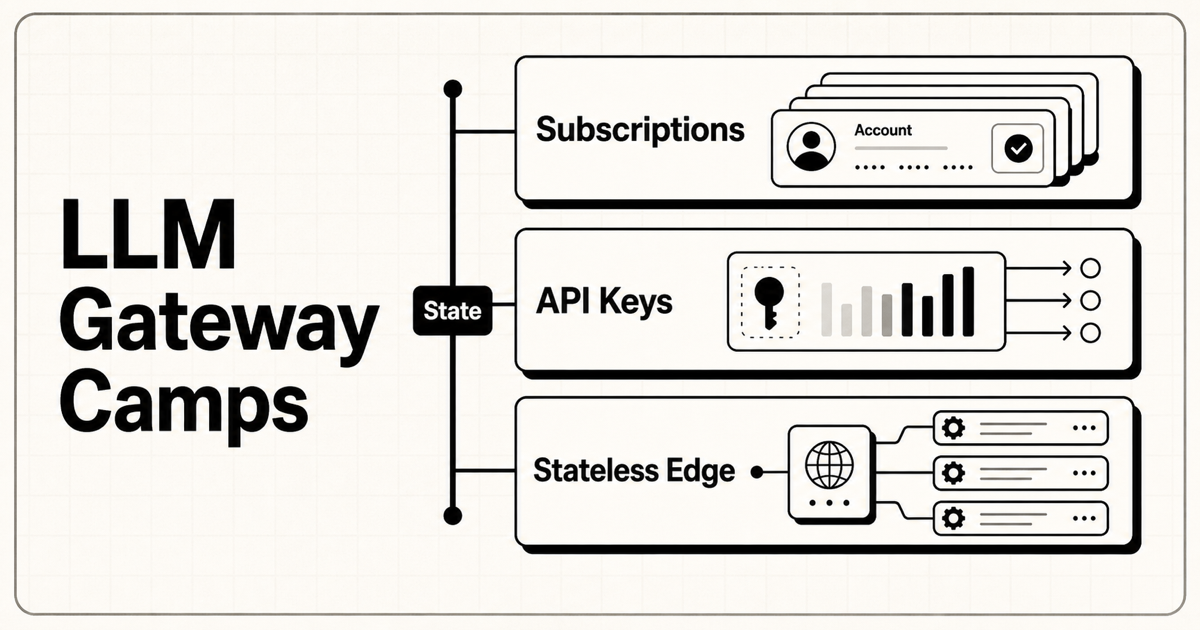
The tools called LLM gateways split by what they route and who they're for. CLIProxyAPI pools your subscription logins. LiteLLM routes your API keys with metering and failover. Portkey is a stateless edge gateway driven by a declarative config. I read the source of all three, and the deciding axis is what state each one keeps.

CompareAI infrastructure

Running LLMs Locally: llama.cpp vs Ollama vs vLLM — Three Camps

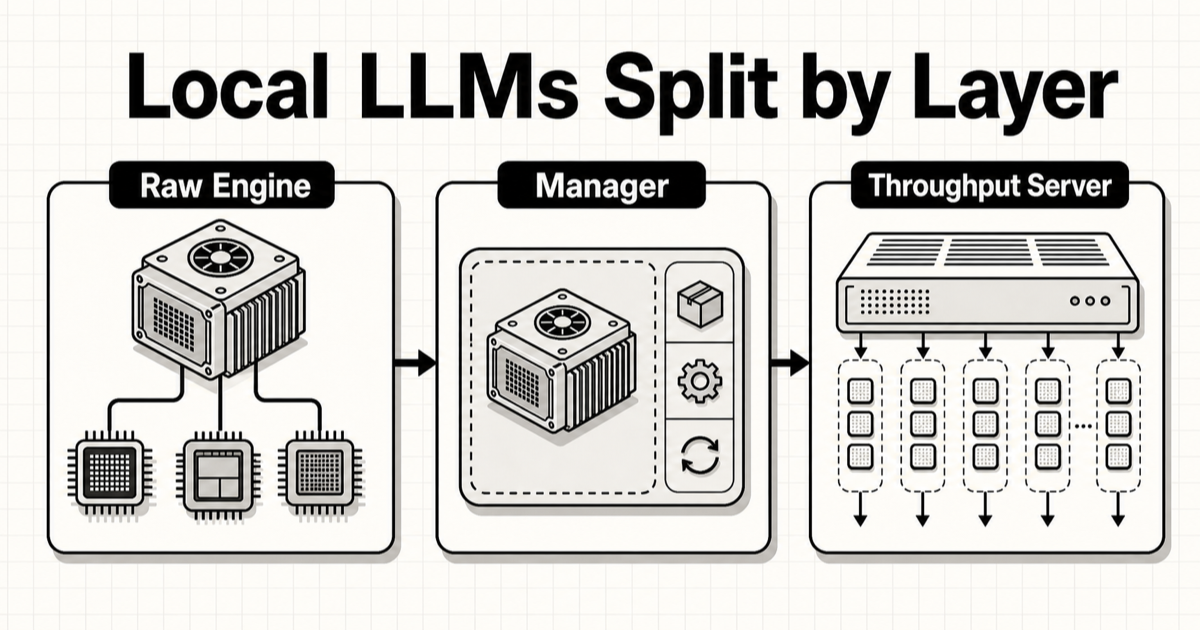
Self-hosting an open model splits into three camps by the layer you operate at. llama.cpp is the raw engine — a self-contained binary that loads GGUF and offloads layers to whatever hardware you have. Ollama is the friendly manager that wraps it. vLLM is the throughput server that replaces it. I read the source of all three to compare portability, convenience, and throughput.