
Latest

Latest analysis

TeardownDeveloper tools

CodexBar Is Not Really a Menu Bar App. It Is a Provider Metering Runtime.

CodexBar looks like a tiny macOS utility for AI coding limits. Read at v0.41.0, the real architecture is a curated provider catalog: compile-time provider IDs, descriptors, strategy pipelines, and separate app hooks that turn uneven vendor quota signals into one usage surface.

TeardownDeveloper tools

LazyCodex Is the Doorway, Not the Whole Agent House

LazyCodex is marketed as an agent harness for complex codebases. Read at v4.15.1, the source says something narrower and more useful: the root package is a small Codex install alias, the concrete product is the bundled omo plugin, and the deeper harness ownership points back to OmO.

CompareData infrastructure

Vector Search Is Not One Thing: Server, Extension, or Embedded Files

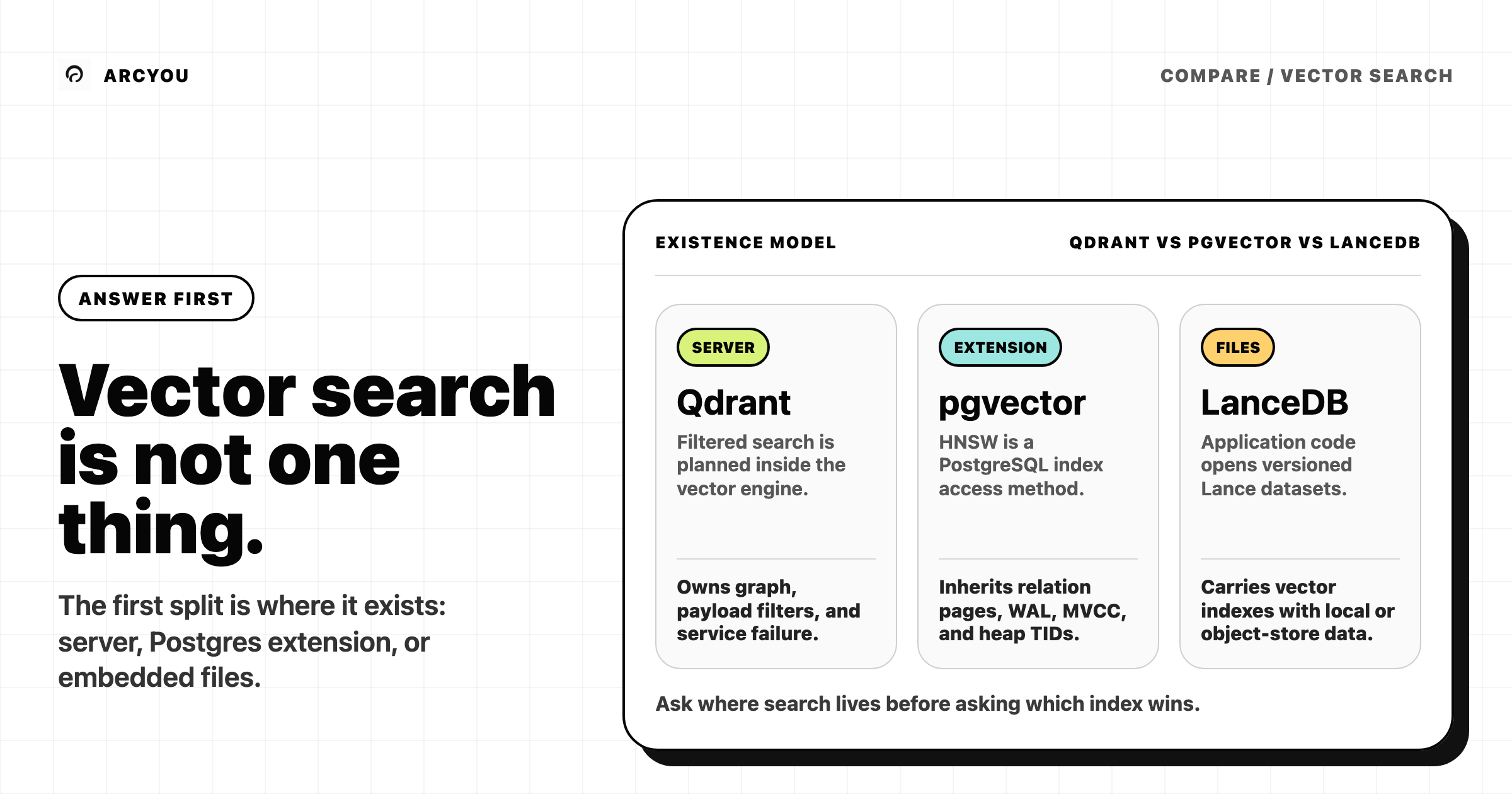
Vector search splits first by where it exists: Qdrant is a dedicated vector engine, pgvector is a PostgreSQL index access method, and LanceDB/Lance is an embedded file-backed stack. That operational home decides filtering, durability, consistency, and failure shape before benchmark tuning starts.

CompareDeveloper tools

How AI Coding Agents Feed Your Codebase to the Model: Three Camps

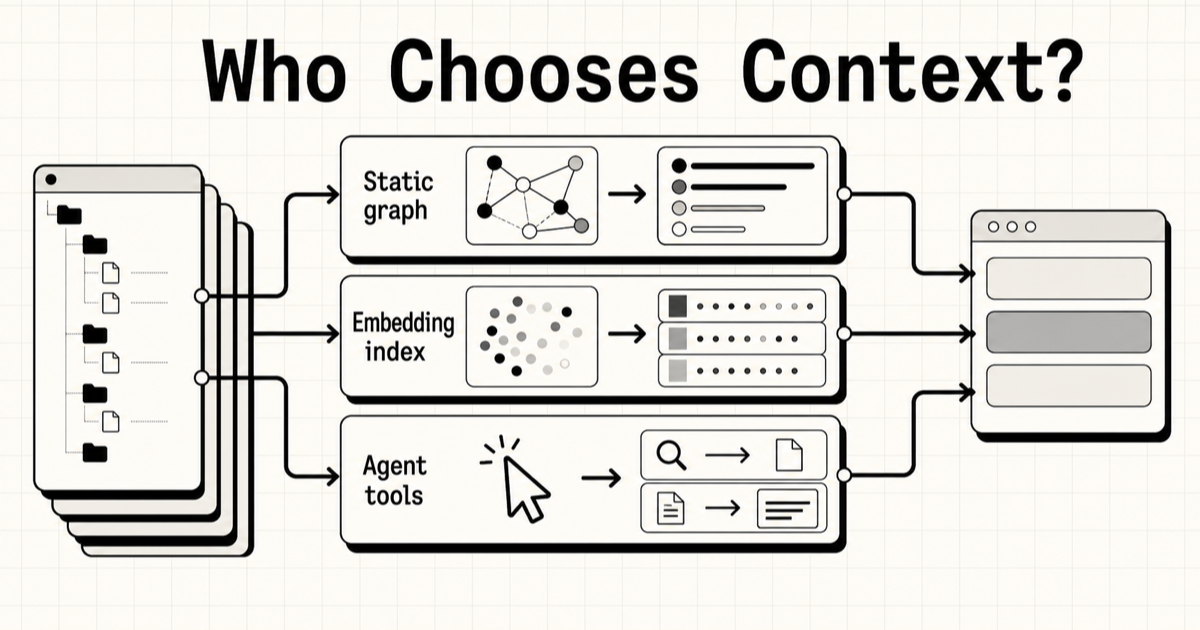
The AI coding agents split by one design choice — how they get your code into the model's context. I read the source of three: Aider ranks a static graph, Continue embeds and retrieves, Cline gives the model tools and lets it read on demand. That single choice decides determinism, token cost, privacy, and how each behaves on a big repo.

TeardownDeveloper tools

How Aider's Repo Map Actually Reads Your Codebase — PageRank, Not Embeddings

Aider is pitched as AI that reads your whole codebase. Read at v0.86.3.dev, the repo map is a ranking problem, not an AI one: tree-sitter pulls the symbols, a PageRank over the reference graph ranks them, and a binary search packs the top ones into a token budget. No embeddings, no vector store, no network call.

By question

The questions behind the tools

Each question splits into competing answers. We read the source of every option so the tradeoff is visible before you commit.

How does code get into the model?

The decision axis is context ownership. Pre-compressing code, retrieving from a local index, or letting the model read files changes token cost and predictability.

How does code get into the model?

Which layer do you want to operate directly?

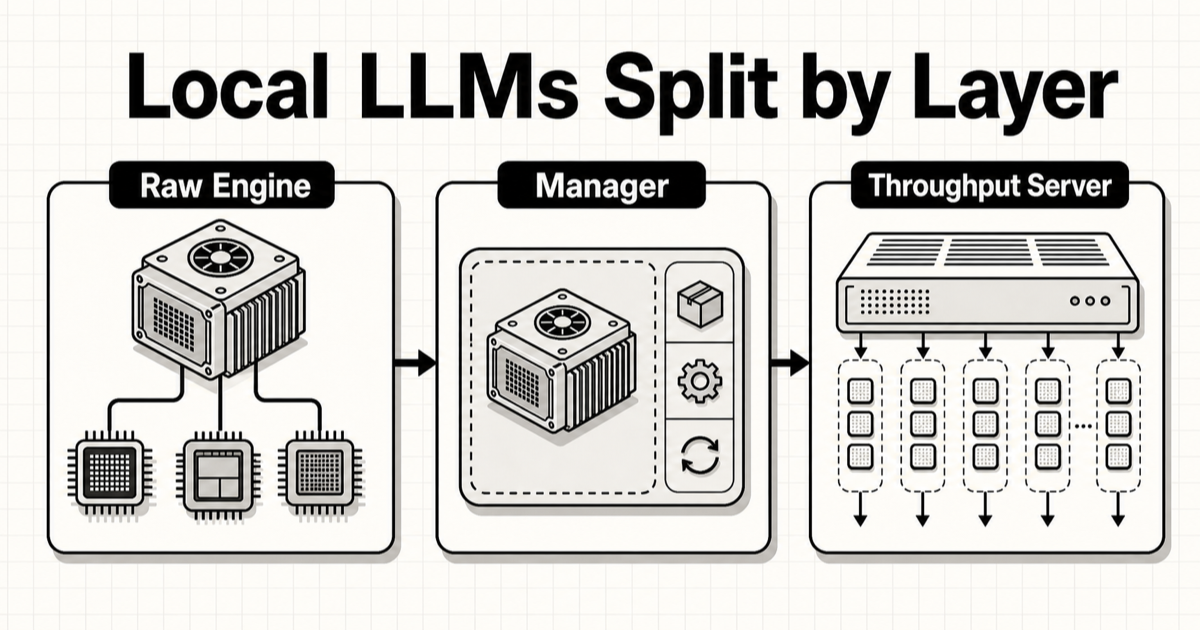
The decision axis is the operating layer. The fork is whether you control the binary engine, use a model manager, or swap engines for server throughput.

Which layer do you want to operate directly?

What state does the gateway hold and route?

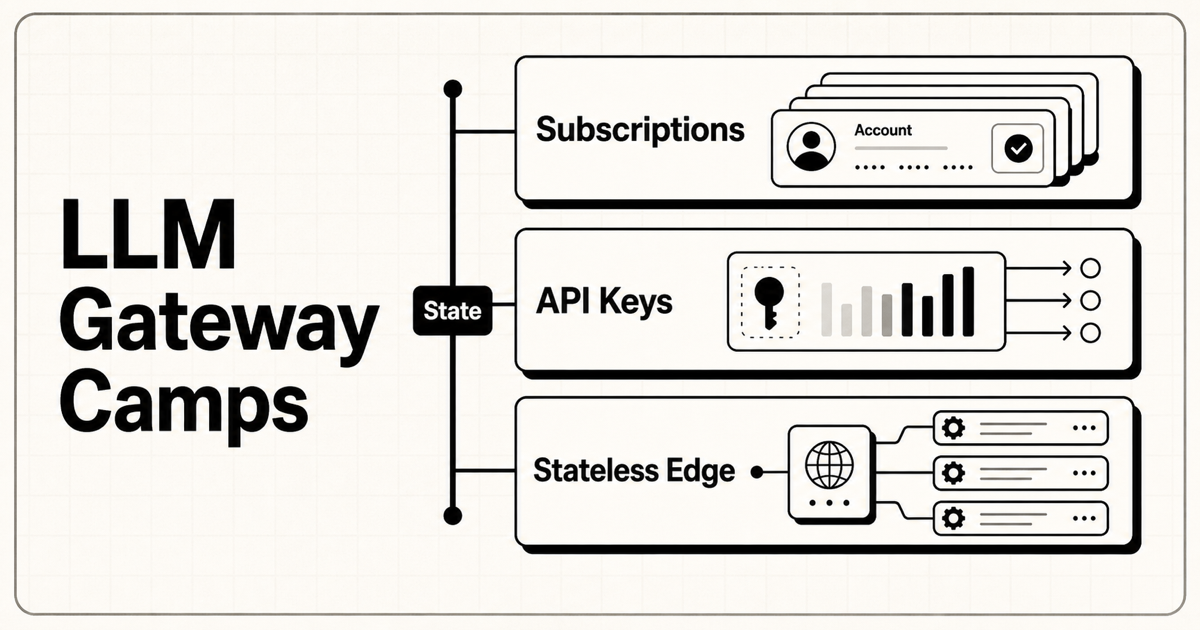
The decision axis is state ownership. Whether the product pools login sessions, meters key usage, or only carries config at the edge defines its limits.

What state does the gateway hold and route?

What does vector search exist as?

The decision axis is existence. Running a separate engine, living inside Postgres, or opening files from the application process changes consistency, deployment, and filtering strategy.

What does vector search exist as?